


-
1500 Stanley Rd NW
Kennesaw, GA 30152 - (770) 429-4799
-
Monday - Friday
6:30 AM - 6:30 PM - Ages: Infants - 2nd Grade
Request Information
Find out about pricing and availability
Cadence schools across the country are now enrolling for Summer Programs! Be sure to ask if your school is hosting summer camp or any summer programs for school aged children in 2024.
- Overview
- Programs
- Our Team
- Accreditation
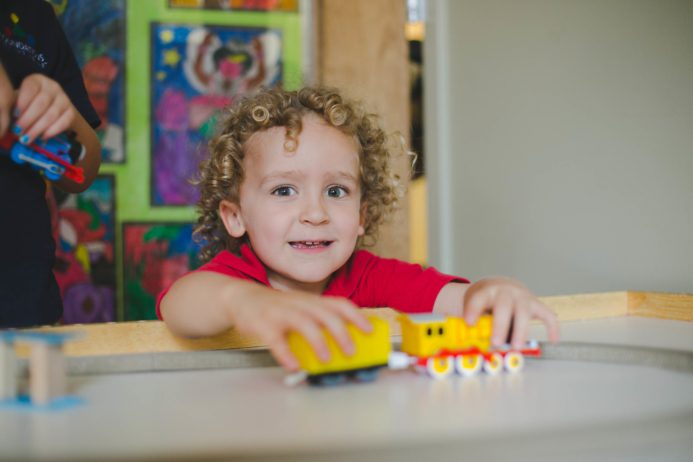
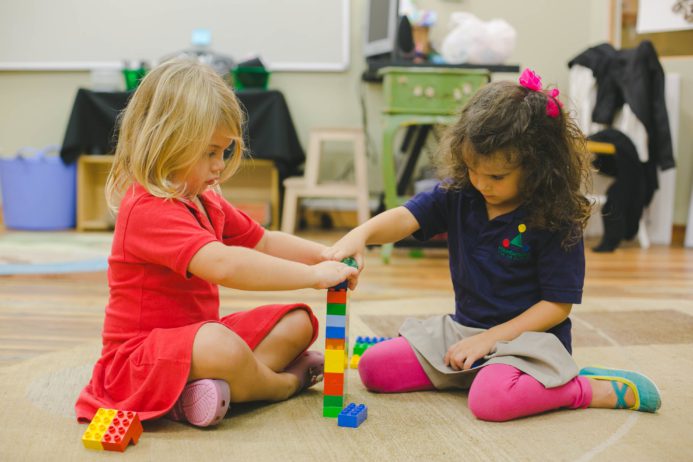
Foundations School in Kennesaw, GA started as an interest-based, nationally accredited childcare and learning center for infants, toddlers, & preschoolers in 2004. Demand for Pre-K and elementary-age groups led to the addition of the elementary school gym building in 2011. Our progressive teaching style for all ages means we have low ratios, and focus on integrated STEM subject matter, brain-based learning, and child-initiated project work.
Our Kennesaw, GA Preschool Curriculum
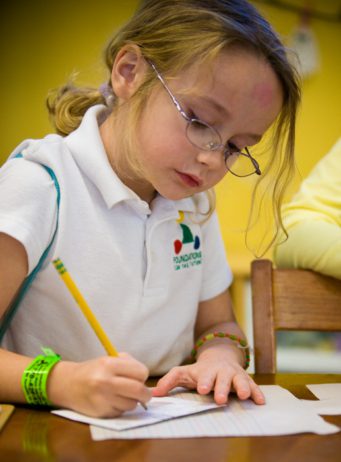
At our daycare center at Kennesaw, GA, the curriculum balances care and nurturing with engaging activities built around the children’s interests. As children progress into the upper school, the elementary school interest-based curriculum adds a balance of technology, movement, creativity, and focused topic times to meet academic goals through in-depth projects and hands-on exploration.
More About the Kennesaw, GA Preschool
We prioritize the children above all else, and from our facility, curriculum, research, and teacher requirements, we focus on child safety and development.
Facility
The Foundations School in Kennesaw, GA facility is spread across a beautiful four-acre campus and includes two buildings designed from the ground up to enhance learning and promote the school’s “Move to Learn” philosophy. Its classrooms are spacious with natural lighting and comfortable furniture.
There are multiple interesting activity areas throughout the campus, such as:
- Full kitchens in each building — one used for student cooking lessons.
- A natural exploration nature area with a climbing tree house for a bird’s eye viewpoint.
- An indoor gym outfitted with an in-ground trampoline, foam pit, rock wall, and multi-sport court used during classes and after for extracurricular activities.
- Several outdoor playgrounds, two covered, and one even heated for daily outdoor time.
- Libraries in each building — students can choose for class and home (Volunteer readers too!).
Research-Based Practices at the Daycare in Kennesaw, GA
Research concludes that when children are motivated naturally through their own interests, their learning is more comprehensive and concrete. Everything we do at Foundations, as a childcare facility in Kennesaw, GA, and as a progressive elementary school, is geared to develop each child’s internal curiosity and motivation to learn. These are the foundational platforms we are losing in traditional school systems. Traits necessary to propel your child toward future success. We believe it’s never too early to begin the process. Thus we begin with infants & continue to middle school, providing a solid foundation for learning for the rest of their lives.
Experience the Kennesaw, GA Preschool Difference
Foundations is proud of its outstanding contribution as a childcare center and elementary school in our community. Please call today to schedule a tour. We are located in Kennesaw, near Acworth & Marietta, GA.
Parent Forms
Programs Offered
Our Team

Phylicia Corlette
Assistant Director
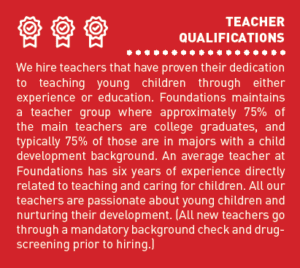
I studied Elementary Education at Kennesaw State University. I started working in Early Childhood Education in 2016. I have taught all ages from Infants-Pre-k. I have student taught in 1st and 5th. After that, I came back to Foundations and began working the Front Desk and learning other administrative tasks. I have accepted an Assistant Director position and I am so excited for this opportunity. What I like about working in Early Childhood Education is being able to share in the experience of helping children learn new things. The curiosity of a child is a beautiful thing and the look on their faces when they learn something new is extremely rewarding.
In my free time, I enjoy hanging with friends and family. I enjoy reading. As well as any kind of organizational task is right up my alley. Some of my hobbies include: Cooking and Shopping. An interest of mine is Photography.
Accreditations

NAEYC Accreditation
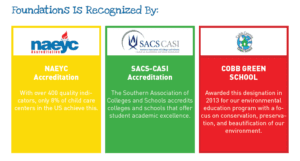
Every child deserves access to high-quality early learning experiences. NAEYC (National Association for the Education of Young Children) has set 10 standards for early childhood programs that can help families make the right choice when they are looking for a child care center, preschool, or kindergarten. The standards and criteria are also the foundation of the NAEYC Accreditation system for early childhood programs. To earn NAEYC Accreditation, schools must go through an extensive self-study and quality-improvement process, followed by an on-site visit by NAEYC Assessors to verify and ensure that the program meets each of the ten program standards, and hundreds of corresponding individual criteria. NAEYC-accredited programs are always prepared for unannounced quality-assurance visits during their accreditation term, which lasts for five years. In the 30 years since NAEYC Accreditation was established, it has become a widely recognized sign of high-quality early childhood education. More than 7,000 programs are currently accredited by NAEYC—less than 10 percent of all child care centers, preschools, and kindergartens nationally achieve this recognition.

Cognia
Based on a set of rigorous research-based standards and evidence-based criteria, the accreditation process examines the whole institution–its policies, programs, practices, learning conditions, and cultural context–to determine how well the parts work together to carry out the institution’s vision and meet the needs of every learner. Accreditation isn’t about passing a one-time inspection. Rather, accreditation recognizes education providers that demonstrate and sustain their commitments to continuous improvement and better learner outcomes.